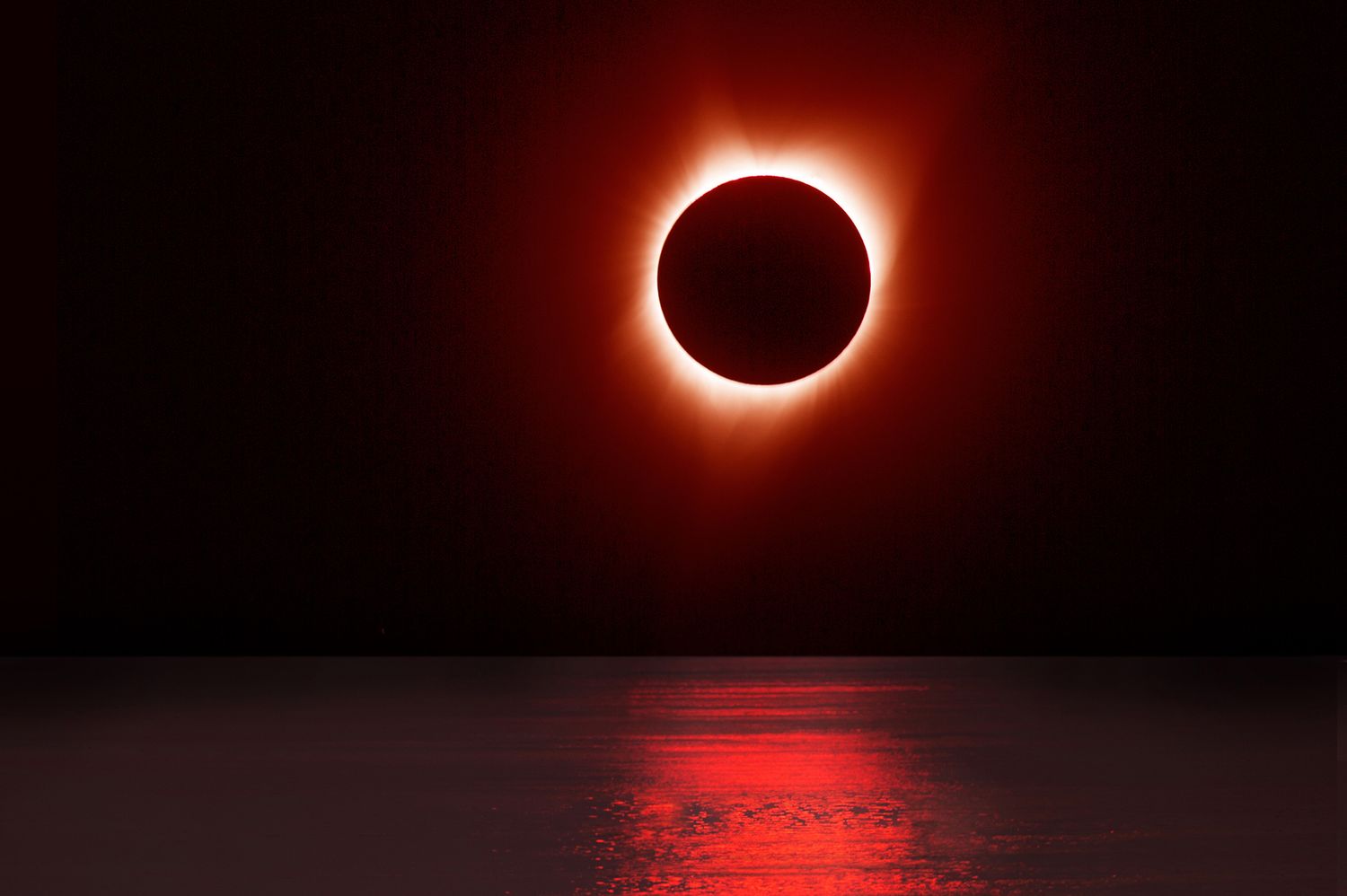
Switzerland will see a partial solar eclipse on Wednesday, 12 August 2026, with the Moon expected to cover roughly 90% to 93% of the Sun before sunset. The best viewing locations will be elevated sites with a clear west-northwest horizon, including mountain peaks, Alpine foothills, the Jura and selected observatories.
The eclipse will begin across Switzerland at around 7:24 pm CEST, depending on the location. Maximum coverage will occur between approximately 8:17 pm and 8:20 pm, shortly before sunset.
The Sun will already be low in the sky, making a clear horizon essential. The eclipse will still be in progress when the Sun sets in Switzerland, so hills, buildings, trees or mountain ridges blocking the western or northwestern horizon could prevent viewers from seeing the most dramatic phase.
The Swiss Federal Office of Public Health, or BAG, says the eclipse will be particularly visible from high points with an unobstructed view. The Swiss Astronomical Society similarly recommends the Swiss Plateau, the Pre-Alps and mountain summits over enclosed Alpine valleys, where surrounding mountains could obstruct the sunset view.
Zurich And The Swiss Plateau
Zurich residents will see the eclipse begin at around 7:24 pm, reach maximum coverage at roughly 8:18pm and end after sunset. About 90.6% of the Sun will be obscured at maximum from Zurich, according to eclipse timetables.
The city itself offers several possible viewing points, but the key factor will be the direction of the horizon rather than the location’s name. High vantage points with an unobstructed view towards the west-northwest will be preferable to low-lying streets or enclosed areas. Viewers should also arrive early, as popular viewpoints may become crowded.
The Eschenberg Observatory in Winterthur will open for the event, allowing visitors to observe the eclipse using the observatory’s instruments. However, organisers warn that trees on the horizon may obstruct part of the eclipse from the site, making the location less suitable than a fully open viewpoint for the final phase.
The Bülach Observatory, north of Zurich, will open its doors at 7pm and provide telescopes for visitors. It is one of the more accessible organised viewing events for people in the Zurich region.
Solar Eclipse 2026: Mountain Locations
Mountain locations offer some of the best conditions because they place viewers above low-level haze and provide a wider view of the horizon. Several Swiss destinations are organising special events around the eclipse.
At Mount Rigi, the partial eclipse will be visible from Rigi Scheidegg, where the high-altitude setting offers a broad view of the surrounding landscape. Visitors should check the final cable-car timetable and weather conditions before travelling, since the eclipse occurs after normal daytime sightseeing hours.
The Jakobshorn above Davos is another strong option. The local tourism office says the eclipse can be observed from around 7:25 pm, reaching maximum coverage at approximately 8:18 pm, before the Sun sets at around 8:33pm. The high elevation and open mountain setting make the location particularly suitable for watching the low Sun.
Other organised mountain viewing opportunities include Chäserrugg in the canton of St Gallen and Kronberg in Appenzell Innerrhoden. Chäserrugg is combining the eclipse with an evening meal, while the Kronberg cable car and mountain restaurant are scheduled to remain open until 9 pm.
Read More: Zurich Street Parade 2026 Ends With 46 Arrests
Jura, Valais And Eastern Switzerland
Chasseral in the Bernese Jura is expected to offer around 91% coverage shortly before sunset. The Hotel Chasseral is organising an evening programme, although visitors should confirm availability and reserve in advance.
In Valais, the François-Xavier Bagnoud Observatory at Saint-Luc offers a high-altitude viewing site at Tignousa. Its location away from major urban centres can provide darker surroundings and a broad horizon, although the eclipse itself will still be visible only if clouds do not block the Sun.
The Schaffhausen Observatory will open to the public from 6:30 pm. If conditions are clear, visitors can use the observatory’s telescopes and receive suitable solar-viewing glasses. Admission is free, according to the event information.
The Sirius Observatory in the canton of Bern is also organising a viewing event, with an indoor alternative available if clouds prevent direct observation.
Safety Is Essential
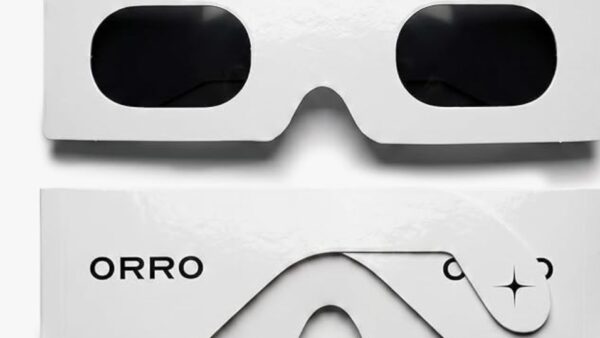
Looking directly at the partially eclipsed Sun without certified protection can permanently damage eyesight. Ordinary sunglasses are not sufficient, and viewers should use ISO-certified eclipse glasses or an approved solar filter.
Binoculars, cameras and telescopes must never be pointed at the Sun without a properly fitted solar filter. Holding eclipse glasses over an unfiltered optical device is not safe, because magnification can concentrate damaging sunlight into the eyes.
The safest option for people without certified equipment is to attend an organised observatory event, where solar telescopes and protective glasses are supplied. Visitors should check whether registration is required, as some popular events in Zurich and Bern have already sold out.
Weather Will Decide The View
Even the best location cannot guarantee a clear eclipse. Because the main phase occurs close to sunset, clouds or haze along the west-northwest horizon could obscure the event.
For that reason, the most promising Swiss strategy is to choose an elevated site with a genuinely open horizon, monitor the weather forecast on August 12 and have a nearby alternative in mind. The eclipse will be visible across the country, but the best spectacle is likely to come from mountain peaks, Jura ridges, the Pre-Alps and other high viewpoints with a clear sunset view.