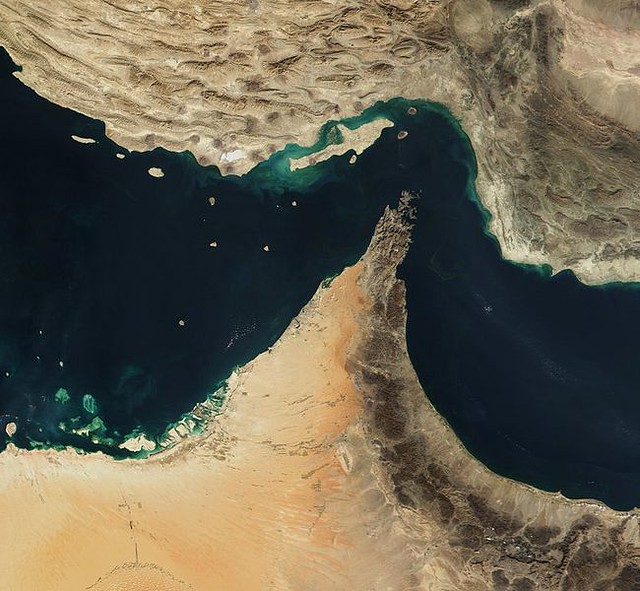
A tiny Geneva-based commodity trading firm, Lytton SA, has pulled off one of the most audacious deals of the Iran war, pocketing up to $60 million in gross profit by steering a supertanker loaded with nearly two million barrels of Iraqi crude oil through the contested Strait of Hormuz. The route has become the most dangerous and most lucrative passage in global shipping.
So, how does a company founded in 2024, with a staff of around eight, take on the financial and legal exposure of a multi-hundred-million-dollar tanker transit through an active war zone?
Lytton SA, founded in Geneva only in 2024 and employing around eight people, organised the transit of the Agios Fanourios I, a supertanker carrying Iraqi oil destined for Vietnam. The company purchased the crude at the Iraqi port of Basra at a discount of $18 per barrel, a price that reflected the enormous risk that few buyers were prepared to accept. The ship was subsequently stopped twice: first by Iranian forces, then by the United States, before Vietnam’s state oil company, PetroVietnam, intervened to secure the vessel’s release and allow it to complete its voyage.
Lytton’s representatives have said the company never paid the Iranians anything, local media reported.
Whether that is entirely credible in a strait where Iran’s Revolutionary Guards are reportedly charging ships up to $2 million per passage, paid in Chinese yuan or cryptocurrency, is a question the company declined to address in detail.
A little-known Swiss trading company played a key role in getting an oil supertanker transit through the Strait of Hormuz, a stop-start journey that captivated the market earlier this month https://t.co/tQFstTgdKp
— Bloomberg (@business) May 25, 2026
Read More: Why Swiss Rents are Rising Faster Again: Raiffeisen Q2 2026 Report – Helvetica Times
Strait of Hormuz Becomes An Accidental Money Machine
Before the Iran war, trading margins for oil transits through the strait were measured in cents per barrel.
They now stand at $70 to $80 per barrel, a leap of several orders of magnitude that has transformed the Hormuz passage from a routine logistics route into an extraordinarily high-risk, high-reward game.
Up to 2,500 commercial vessels are currently backed up in the waters around the strait, with around 200 anchored in the immediate approach channels east and west of the passage.
For Geneva, home to more commodity trading activity than almost any other city on earth, the Lytton case is both a business story and a reputational one. Small, lightly-regulated firms with the right contacts and risk appetite are writing enormous cheques, or collecting them, in circumstances where the line between aggressive trading and sanctions exposure is, at best, difficult to locate.
Strait of Hormuz Premium Now So Large That It Creates Powerful Incentives
The Hormuz premium is now so large that it creates powerful incentives for firms to find creative arrangements with all sides of the conflict. The Lytton deal, as reported by Bloomberg, offers a rare window into how that grey zone actually works in wartime.
Pope Leo XIV Warns AI Is “Threat to Human Dignity” in New Landmark Encyclical