Switzerland’s economy is expected to weather the latest global oil crisis relatively unscathed, with gross domestic product forecast to grow by 0.8% in 2026 despite the Iran conflict delaying the hoped-for industrial recovery.
Economists credit the country’s high energy efficiency, less energy-intensive production and strong purchasing power for cushioning the blow.
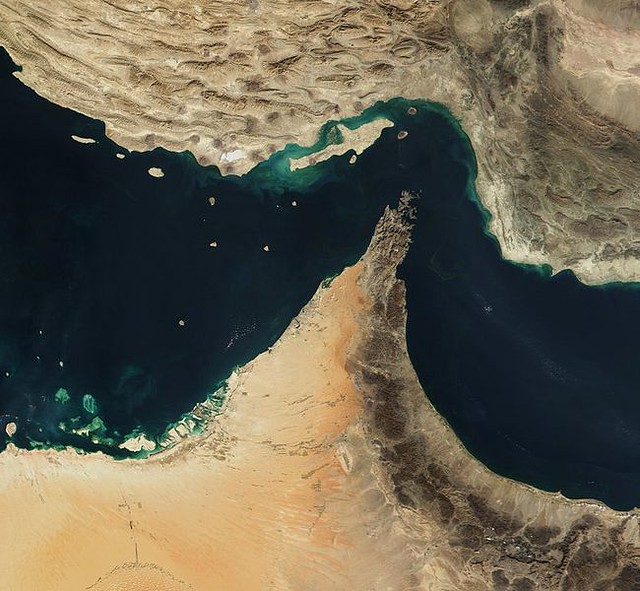
The gradual reopening of the Strait of Hormuz has reduced economic risks for the Swiss economy, raising the prospect that the country can emerge from the oil crisis with minimal lasting damage. Yet the path to recovery remains uneven. After a strong first quarter, the war with Iran has once again dampened export expectations.
A majority of companies report insufficient demand.
“Just when there were the first reliable signs of the long-awaited end to the European industrial slump, the war with Iran caused yet another delay in the recovery,” said Raiffeisen Chief Economist Fredy Hasenmaile.
“However, the recent easing of tensions now increases the chances that industry will regain its footing in the second half of the year.”
Read More: Swiss Median Salary Jumps To CHF 87,000: The Sharpest Rise In Years
Oil Crisis Bites Less In Switzerland As Domestic Demand Falters But Holds
Raiffeisen found that the Swiss domestic demand started the year with little overall dynamism. Private consumption stagnated, and corrections became particularly noticeable in the retail and hospitality sectors, not least due to the impact on tourism. Following significant increases up to the turn of the year, the number of overnight stays has recently declined, seasonally adjusted, for both domestic and international guests.
Unfavourable weather conditions for ski tourism played a role, but the outlook for the summer season remains cautious. While the Iran conflict is likely to lead to more domestic holidays for Swiss residents, it is expected that high-spending tourists from the Gulf region and Asia will simultaneously be absent.
Purchasing Power And Wages Carry The Load
Despite the headwinds, Swiss consumers’ purchasing power remains a solid pillar of growth. The moderate rise in unemployment continues for the time being, coinciding with the delayed industrial recovery. However, preliminary figures for retail sales and new passenger car registrations do not indicate any further slowdown in consumer spending for the second quarter. Retailers’ sales expectations have even recently recovered, and this was before the signing of the framework agreement between the US and Iran.
Thanks to a stabilization of the employment outlook in the service sector, employment is also expected to increase somewhat. Together with a moderate rise in real wages, consumption should therefore remain an important pillar of growth for the remainder of the year. Swiss consumer prices are rising only moderately despite the surge in energy prices. Although wage growth is being dampened by the weaker labour market, Raiffeisen economists believe that purchasing power can continue to develop positively.
The limited price pressure is giving the Swiss National Bank little cause for concern about inflation. It sees the main risks in global demand and the exchange rate.
“A departure from the supportive zero-interest-rate policy is therefore not on the agenda anytime soon,” Hasenmaile said. “Low interest rates remain an important stabilising factor for the Swiss economy. In other countries, however, the pressure on central banks to act is much greater.”
Energy Efficiency: The Silent Stabiliser
Once again, the Swiss economy has weathered an externally imposed crisis relatively unscathed. The negative effects of the oil crisis are noticeably weaker than in most other countries. This is due to the very high energy efficiency of the Swiss economy compared internationally, for several reasons.
First, the chronically strong Swiss franc forces the manufacturing sector to undergo continuous “fitness training,” which also optimises energy use. Second, Swiss industry has been increasingly focusing on the production of less energy-intensive products for some time now.
In contrast, Swiss households do not consume less fossil fuel compared to other countries, and southern European countries even perform better in terms of heating due to their climate. The Swiss are also not more frugal in the transportation sector. While significantly more people travel by train in Switzerland, the generally overpowered car fleet negates the energy savings of public transport.
Although households do not consume less energy, energy costs represent a considerably smaller share of consumer spending due to the higher Swiss price levels and standard of living. Therefore, a global energy price shock has a less pronounced impact on purchasing power.
Even though the renewed surge in energy prices is less significant in Switzerland, it is likely to further promote the trend toward greater energy efficiency. This is partly due to Switzerland’s less interventionist economic policies, while energy costs are increasingly subsidised in other countries. As a result, according to Raiffeisen economists, Switzerland has one of the highest industrial electricity prices in Europe, which is further accelerating the structural shift toward less energy-intensive activities.