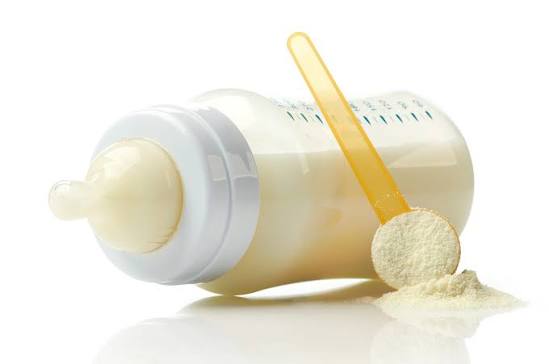
Infant formula containing traces of the toxin cereulide is still being sold in Switzerland, even after laboratory tests in Geneva found the substance in 10% of powdered samples. The products (like infant formula with Cereulide) remain on the market because the detected levels fall below the emergency threshold set during last year’s contamination crisis, but the case has reopened questions about whether that limit is scientifically robust enough.
Nestlé and Hochdorf have said they aim to eliminate cereulide from their products, while Danone has been less forthcoming, according to the report.
In March 2026, the Geneva cantonal chemist detected cereulide in six infant formula products during checks carried out after a Europe-wide contamination scandal that triggered major recalls. The concentrations found were below the reference value adopted by the European Food Safety Authority in February, which means there is no legal basis for a recall. Responsibility for market decisions in Switzerland lies with the Federal Food Safety and Veterinary Office.
Here’s a full list of contaminated food Nestle recalled in January 2026.
Swiss Authorities Instruct Manufacturers To Investigate Contamination Source
Swiss authorities have instructed the manufacturers involved to investigate the source of the contamination and, where necessary, improve production processes. But for now, parents may still buy products that contain the toxin, without any warning on the packaging. The regulatory position rests on the EFSA’s emergency reference value, which was created quickly during the crisis and is treated as a risk-assessment benchmark rather than a permanent safety standard.
That distinction matters. According to the RTS investigation cited in the report, even the FSVO appears to interpret the threshold cautiously in private correspondence, suggesting the agency does not regard it as a definitive line between safe and unsafe exposure. Some researchers also question whether repeated low-dose exposure could pose risks over time, especially for infants.
Read More: Geneva May Ease Strict Air Conditioning Rules Amid Swiss Heatwave
Infant Formula With Cereulide: Testing Methods Under Scrutiny
The investigation also raises doubts about how the toxin was measured, another media report pointed out. Early testing in Europe focused on dry powder, but cereulide can be released more fully only when the formula is mixed with water, as it is before feeding. That means dry-powder testing may significantly underestimate the amount a baby actually consumes.
Belgium’s Sciensano laboratory, which RTS describes as a reference centre for cereulide testing, has found that reconstituted formula can show toxin levels 35 to 135 times higher than dry powder samples, depending on the case. European authorities later advised laboratories to switch to testing reconstituted formula, and Switzerland’s own testing started after that guidance was issued.
Source Traced To ARA oil
The contamination did not come from the milk itself. Investigators traced the problem to arachidonic acid, or ARA oil, an ingredient added to infant formula to support brain, eye and immune development. The oil was supplied by a Chinese manufacturer and used in products from several formula makers.
The broader concern now is whether current testing and threshold rules are strong enough to protect infants from repeated exposure to low levels of the toxin.
The case leaves Swiss parents in an uncomfortable position: formula on sale may still contain a contaminant linked to vomiting and diarrhoea, but regulators have so far stopped short of ordering a recall.