Zurich’s reluctance to embrace permanent air conditioning is no accident. It is the product of a long-standing planning culture, tight permit rules, energy standards and a building stock that was largely not designed for modern cooling. As heatwaves become more frequent, that older approach is being tested by residents who increasingly want more than fans, open windows and portable units. So, why Zurich still has so little “real” air conditioning?
The most important thing to understand is that Zurich does not simply “ban” air conditioning in the blanket sense often repeated online. Mobile units are generally allowed, but fixed split systems usually require approval because they alter the façade and must meet building, noise, and energy requirements. In practice, that means people who want a permanent installation face a much heavier process than in many other countries.
Zurich authorities want applicants to first exhaust passive cooling measures such as insulation, exterior sun protection, and night ventilation before a permanent system is considered. In other words, cooling is permitted, but only after the building has already been made as heat-resilient as possible.
But, going ahead, the argument is likely to intensify as summers get hotter and more people experience the limits of passive cooling in older apartments, offices and schools.
Read More: Everything You Need To Know About Zurich Street Parade 2026
Zurich’s Urban Policy Has Long Emphasized Passive Cooling Over Mechanical Cooling
City studies on climate adaptation highlight shadowing, ventilation corridors, vegetation, pergolas, and other non-mechanical measures as the preferred way to reduce overheating in dense areas. That approach is also consistent with broader Swiss climate-adapted construction thinking, which argues that buildings should be designed to avoid excessive cooling demand in the first place.
There is a second reason, and it is a practical one.
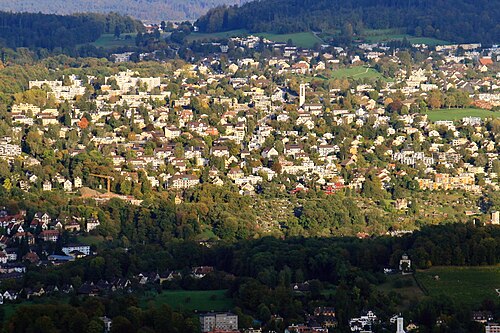
Much of Zurich’s housing stock predates today’s heat reality.
Buildings designed decades ago were built to retain warmth in winter, not to block increasingly frequent summer heat spikes. Retrofitting them for active cooling is expensive, visually intrusive and often technically difficult, especially in compact urban buildings with limited space for outdoor compressor units.
Why Zurich Still Has So Little “Real” Air Conditioning? The Permit Hurdle
For Zurich residents, the difference between portable and permanent cooling is decisive.
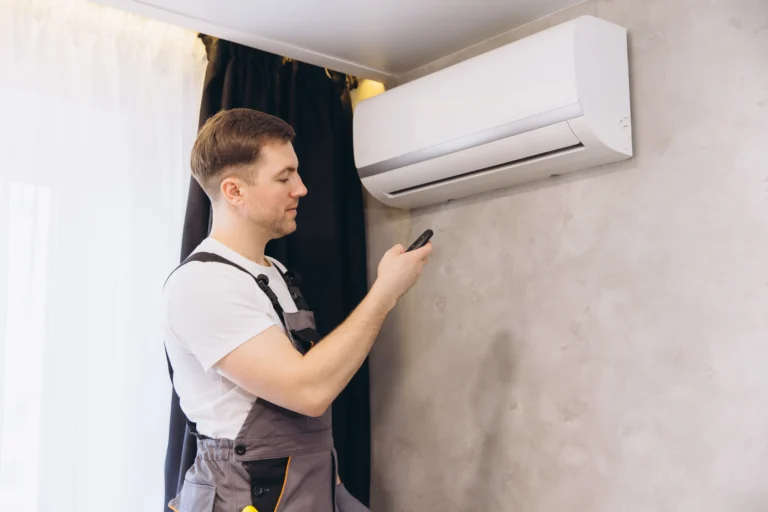
Portable devices are generally permit-free, but a fixed split air conditioner usually requires landlord consent, municipal approval and compliance with noise and energy rules. That creates a slow and uncertain process that many homeowners and landlords decide not to pursue at all.
Cantons can be quite strict about cooling power, and Zurich requires rooms to be sufficiently insulated and equipped with sun protection before comfort cooling is allowed. The process can involve engineering documentation, acoustic studies and administrative review, turning a simple home-improvement project into a much larger planning exercise. The result is that many residents simply settle for fans, monoblocks or portable units that vent hot air back out through a window.
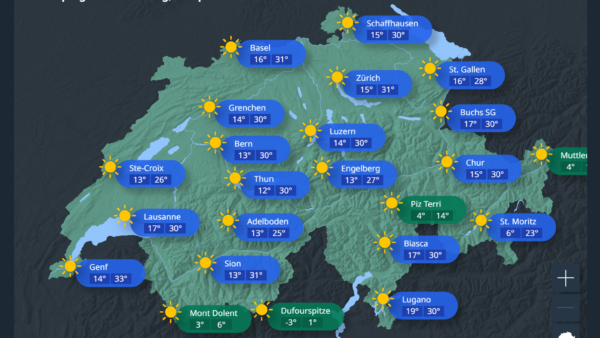
The issue is becoming more politically and socially sensitive because heat itself is changing. Swiss climate projections and adaptation guidance say heatwaves are expected to become more frequent, more intense and longer-lasting in the coming decades.
At the same time, city planners still worry about the downsides of widespread mechanical cooling. Air conditioners consume energy, can add waste heat to already warm streets, and may conflict with urban design and climate goals.
Zurich’s climate adaptation documents therefore continue to favor passive strategies such as tree cover, better shading and urban cooling corridors, rather than a wholesale shift to private AC.
What was once seen as an urban design preference is becoming a public health and comfort issue. And that could force Zurich, and possibly other Swiss cities, to rethink how much “real” air conditioning it is willing to tolerate.