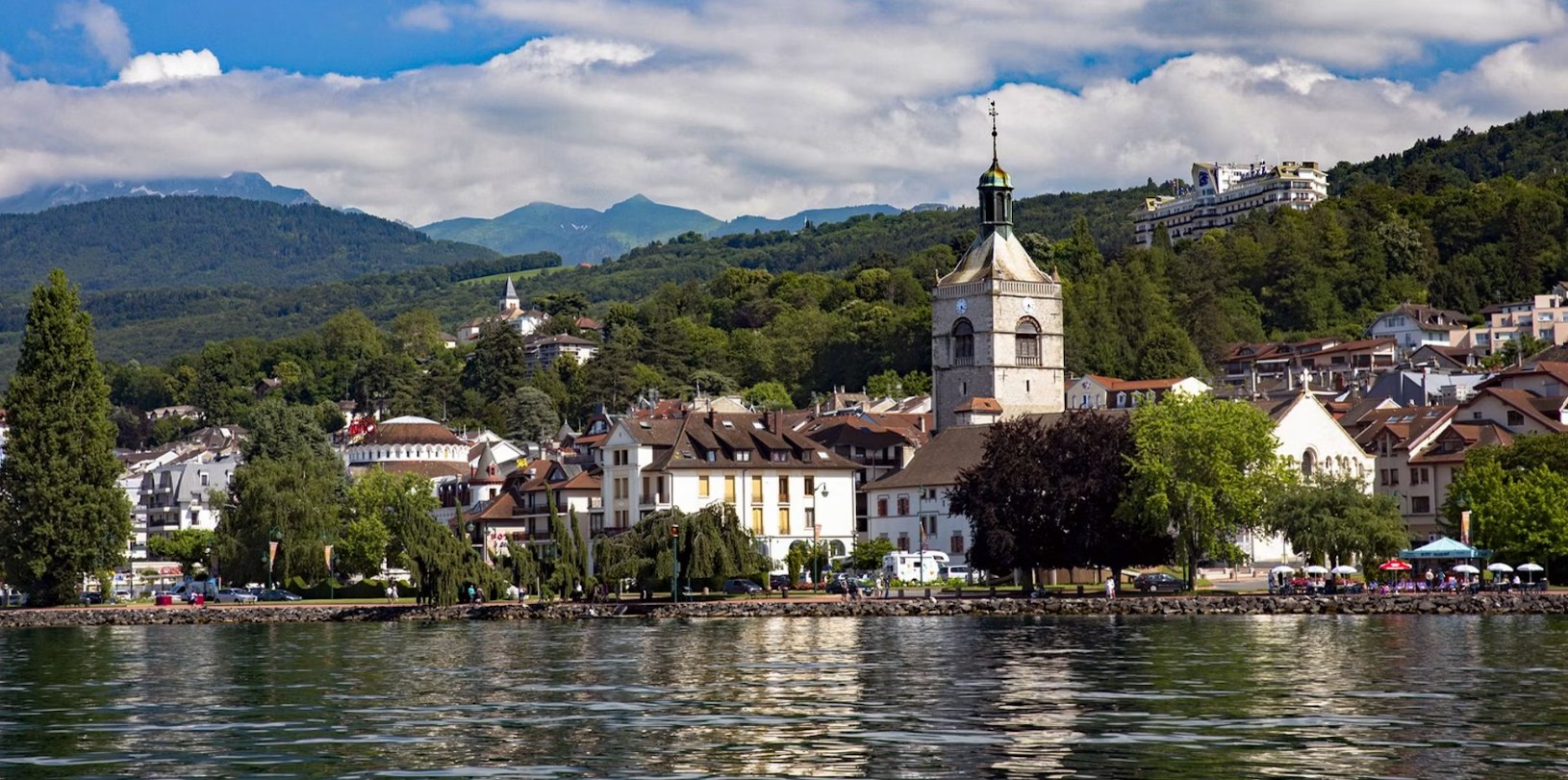
A planned anti-G7 demonstration in Geneva on 14 June 2026 has become a battle over free assembly rights, with protest organisers denouncing conditions imposed by cantonal authorities as “surreal” and warning they cannot guarantee compliance. The dispute comes less than two weeks before the G7 summit is due to open in nearby Évian-les-Bains, France.
The G7 summit, organised by France, will take place from 15 to 17 June 2026 near the Swiss border. It will bring together the highest representatives of the G7 member countries and the EU, as well as other invited heads of state and government.
The No G7 coalition, which represents around 60 organisations, was granted a permit last Thursday by the General Secretariat of the Department of Institutions and Digital Affairs, but the document came with conditions that have enraged its members. Coalition representative Françoise Nyffeler told the media that the group was being asked “not to make too much noise,” pointing specifically to restrictions on the use of loudspeakers and megaphones. A 3.5-metre clear strip must also be maintained on both sides of the procession at all times.
“I cannot guarantee that these conditions will be adhered to,” Nyffeler said.
Read More: Mario Fehr and Left-wing parties clash over Winterthur stabbing attack
France Banned All Demonstrations: Geneva Will Absorb Protest Pressure
The G7 summit will take place on French soil, but France has banned all demonstrations on its territory, which means Geneva will absorb the protest pressure. That helps explain why the Swiss city is bearing the brunt of the security and political debate, even though the leaders’ meeting is across the border.
Memories of the 2003 Évian summit, when Geneva saw property damage and clashes, continue to shape local thinking. This time, the Federal Council has designated the event an extraordinary occasion and authorised a Swiss Army support deployment of up to 5,000 soldiers, with the Confederation covering 80 percent of cantonal security costs. A temporary airspace restriction over the Lake Geneva region is planned from 10 to 18 June, and border controls will be tightened. The cantonal government has also banned major public events in central Geneva from 1 to 28 June.
How will this impact you? For locals, the next two weeks will bring significant disruption to the city centre regardless of whether the demonstration goes ahead as planned. The real question is whether authorities and protesters can reach a workable agreement before 14 June, or whether the standoff escalates further and makes the situation harder for everyone involved?
Anti-G7 Protesters Say Route Is the Bigger Fight
Geneva authorities have refused to allow the procession to cross the Mont-Blanc bridge, offering instead a route that remains on the right bank.
The coalition says the Mont-Blanc bridge is a red line: without it, there will be “no demonstration on the right bank only”. It has described the authorities’ behaviour as an unprecedented level of obstruction and accused the cantonal government of “administrative, material and psychological exhaustion” tactics designed to break the movement.
Organisers have already lodged a legal appeal with the cantonal administrative court over the route decision, and they say they are exploring further judicial remedies. A meeting with State Councillor Carole-Anne Kast is scheduled for Thursday evening, but there are no signs yet of a compromise.