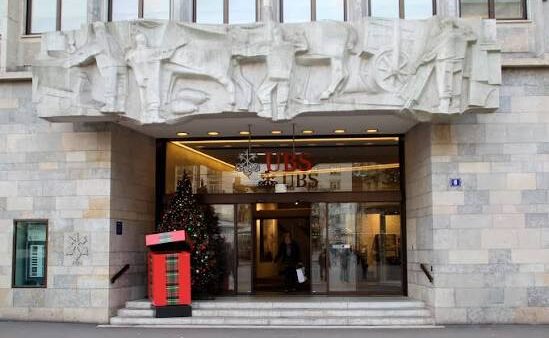

Zurich’s long-term rating remains AAA and its short-term rating A-1+, the highest possible. But S&P lowered its outlook from “stable” to “negative” in a report published on 9 October 2026.
Could Zurich lose its top rating within two years if it fails to stabilise its finances?
S&P said the change reflects growing risks that Zurich will not contain its deficits and debt as planned. It also flagged the possibility that the political consensus needed for savings measures may not materialise.
Zurich is planning very high investment spending while running growing deficits. The city expects lower cash flows to be insufficient to finance those investments, meaning debt will rise.
S&P estimates Zurich’s financial liabilities could reach about 90% of operating revenues by 2028, up from 63% in 2023. Between 2022 and 2025, the city spent CHF 1.3 billion on real-estate purchases, a major driver of the increase.
The city’s 2027 budget projects a deficit of CHF 407 million, with revenues of CHF 11.398 billion against spending of CHF 11.805 billion. That is wider than the CHF 322 million deficit budgeted for 2026.
Downgrade From AAA To AA+ Will Mean Higher Borrowing Costs For The City
S&P says it will consider a downgrade if Zurich fails to stabilise its finances over the next two years. It puts the probability of a downgrade at one in three.
A downgrade from AAA to AA+ would mean higher borrowing costs for the city, particularly at a time when debt is already rising sharply. Zurich would also lose its top position among Swiss municipal borrowers and be rated alongside Winterthur and the Canton of Geneva.
The political dimension is central. S&P warns that disagreements in the city parliament over spending priorities could prevent the savings needed to slow debt growth. It also flags two recently approved left-wing popular initiatives as additional cost drivers: the CHF 365 annual VBZ transport pass, costing about CHF 195 million a year, and subsidised health insurance premiums for about 90,000 residents, costing about CHF 60 million a year.
Finance director Daniel Leupi said S&P’s assessment matches the city council’s own view. He pointed to a target of CHF 1.5 billion in annual investments from 2029, which he says will allow Zurich to keep investing in quality of life without letting debt rise too sharply.
The city council has already signalled cuts. It plans to reduce spending on property purchases from CHF 600 million to CHF 150 million a year from 2027, and to postpone several other projects.
S&P views those prioritisation efforts positively. It says a clear reduction in debt growth would likely improve the outlook.
Read More: A Party That Turned Violent: Zurich Police Clear Illegal Hardplatz Gathering
Strengths That Keep AAA Intact
Despite the warning, S&P kept the AAA rating because of Zurich’s very strong economy and tax base, cautious financial management, and reliable access to capital markets.
The agency also describes Zurich as one of the most dynamic and prosperous metropolitan areas globally, with high competitiveness and quality of life. It expects the city to continue exceeding its budgets, as it has in the past.
The next test is whether the city council and parliament can agree on and implement the spending cuts needed to slow debt growth. S&P has made clear that political will, not just economic conditions, will determine whether Zurich keeps its AAA status.