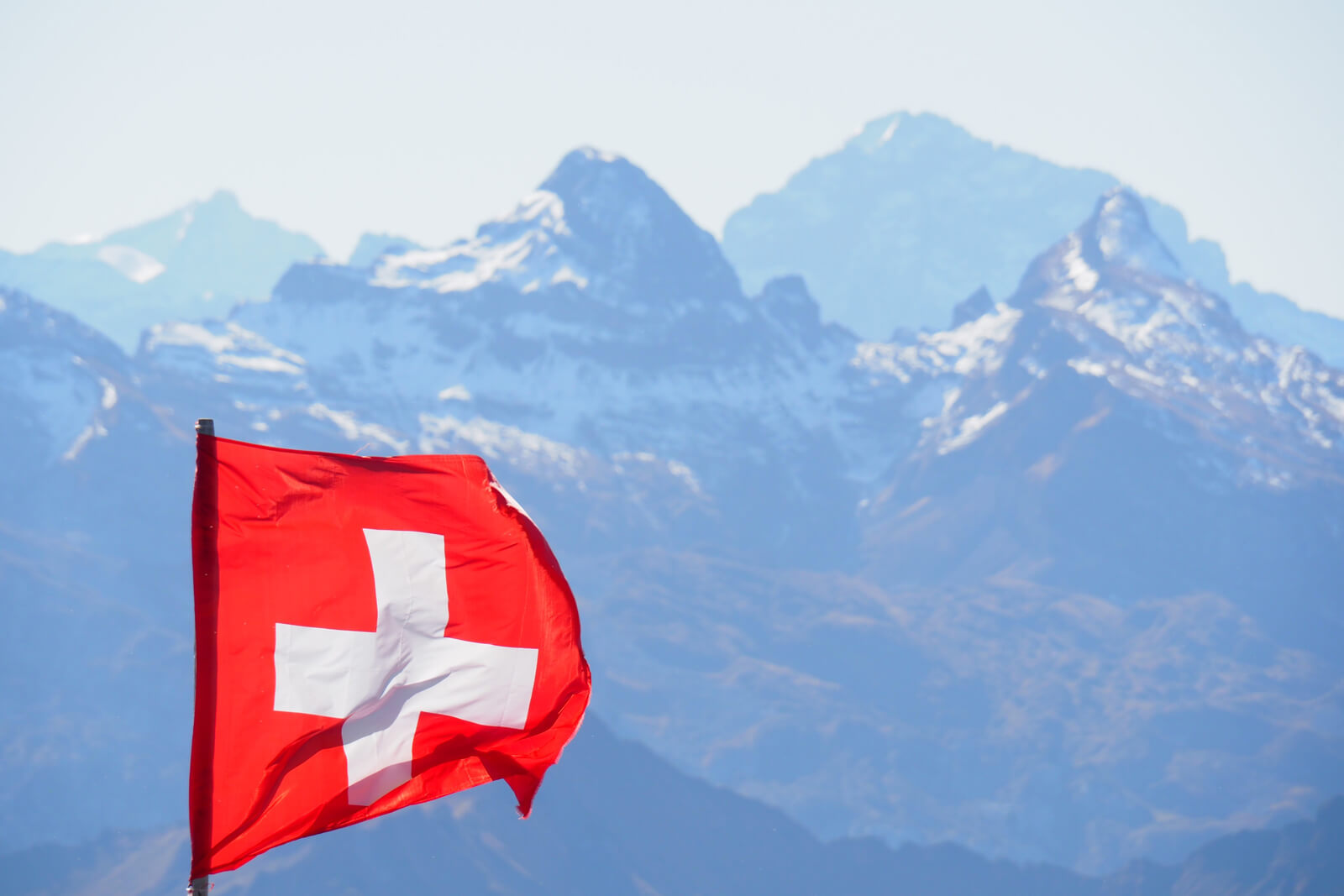
Postal voting participation in the city of Zurich has reached 41.0% ahead of Sunday’s ballot, as Swiss voters prepare to decide whether to put stricter limits on military cooperation and sanctions into the constitution. The city counts return envelopes processed through the post or deposited at the Stadthaus for participation, not the final turnout, which will be known only after votes are counted on September 27.
The “Safeguard Swiss neutrality” initiative would define Swiss neutrality in the constitution as perpetual and armed. It would prohibit joining or cooperating with a military or defence alliance unless Switzerland were under military attack or an attack were being prepared. It would also bar sanctions against belligerent states, with exceptions for UN sanctions and measures to prevent circumvention.
Notably, the vote is not a choice between neutrality and abandoning neutrality: Switzerland would remain neutral if the initiative fails.
The dispute is over how much freedom the government should retain to cooperate with security partners and respond to conflicts. Switzerland is not currently a member of NATO, but it can work with other countries on security and decide on a case-by-case basis whether to impose sanctions. It largely adopted EU sanctions against Russia following the 2022 invasion of Ukraine.
The Federal Council and parliament recommend rejecting the initiative. The government argues that its existing practice preserves neutrality while leaving room to protect Swiss security and foreign-policy interests. Supporters say a constitutional restriction would prevent the weakening of neutrality and help Switzerland remain a credible mediator.
Swiss Neutrality Referendum: Russia Sanctions At The Core Of The Issue
A yes vote could have consequences beyond future decisions. The Federal Department of Foreign Affairs says the initiative’s wording suggests Switzerland would have to lift existing sanctions directed against belligerent states, including measures adopted from the EU’s Russia sanctions. Exactly how provisions allowing Switzerland to prevent sanctions circumvention would operate would require further analysis.
Military cooperation raises a separate question. The government says the text does not specify precisely which forms of cooperation with NATO or other partners would remain permissible, but it expects restrictions on activities such as joint exercises and data-sharing. A recent Al Jazeera opinion article argued that the larger challenge is whether Switzerland can maintain credible defence and economic security while remaining neutral.
Sunday’s result will settle the proposed constitutional wording. It will not settle every question raised in the campaign about how a neutral Switzerland should defend itself, cooperate with its neighbours or respond to future wars