
Canton Zurich saw a significant rise in the number of refugees supported into the labour market in 2025 compared with the previous year, according to a new monitoring report from the canton’s integration office, with employment rates now exceeding federal targets.
The 2025 monitoring report from the Fachstelle Integration, the canton’s specialist integration office, found that municipalities significantly expanded employment-focused support for refugees last year. Support for people with status S (temporary protection status, largely used by Ukrainian refugees) rose by around 39%, reaching 2,116 people, up from the prior year.
Among people from the asylum and refugee sector, the number receiving employment support rose by roughly a third, to 1,624 people. In practical terms, local social services worked with refugees to plan their next steps in integration and connect them with suitable programs.
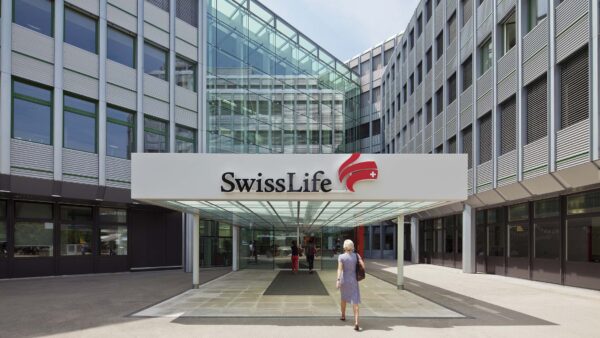
Read More: Swiss Life Braces For Major Layoffs As McKinsey-Driven Overhaul Nears
Language Training Still Central, But Shifting
German-language skills remain the key gateway into training and employment, and language instruction stayed at a high level overall in 2025. Among asylum-seekers and refugees, 4,417 people attended a language course, three-quarters of them German courses specifically aimed at labour-market entry.
For people with status S, the picture is different: 5,009 people received language support in 2025, nearly 500 fewer than the previous year. According to the report, this reflects the fact that many Ukrainian refugees have now reached a language level sufficient to move into training or work.
Nina Gilgen, head of the Fachstelle Integration, said learning German takes time, and once the next step toward training or employment becomes feasible, career orientation moves further into focus. At that point, she said, people need support assessing their professional experience and qualifications, understanding opportunities in the Swiss labour market, getting foreign qualifications recognized, and building professional networks for their job search.
Job coaching played an important supporting role in this transition. In 2025, 782 people from the asylum and refugee sector and 1,155 people with status S received job coaching support.
Read More: UBS Switches To Indian IT giant HCLTech: Swiss Jobs At Risk
More Refugees In Canton Zurich Gain Access To Job Market: Employment Rates Beat Federal Targets
Across all support categories, integration funding in Canton Zurich stayed at a high level in 2025. In total, 11,681 people were supported under the canton’s Integration Agenda, with 38,798 individual instances of service use recorded.
The report also tracked longer-term employment outcomes. Among people with status S who arrived in Switzerland in 2022, 51.4% were employed by the end of 2025 — above the 50% target set by the Federal Council.
For people from the asylum and refugee sector who arrived in 2018, 57% were employed seven years after arrival, also exceeding the Integration Agenda’s goal that half of this group be sustainably integrated into the primary labour market within seven years.
The report cautions that having a job does not automatically translate into full economic independence.
Incomes are often insufficient to allow people to live entirely without social assistance, and the data point to frequent job changes among this population.
According to the Fachstelle Integration, stable employment relationships and adequate income remain essential for sustainable integration going forward.