
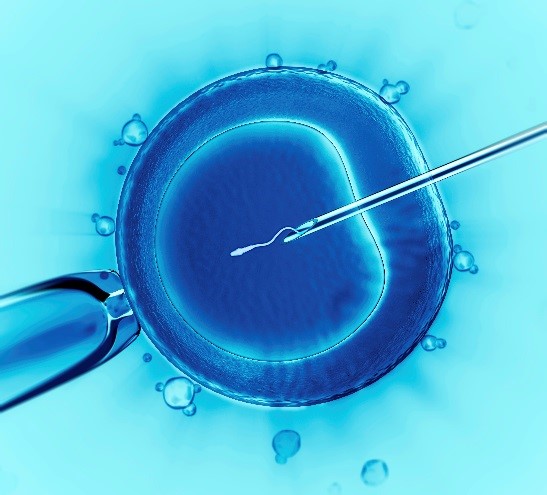
In vitro fertilisation (IVF) is one of the most emotionally and financially demanding treatments that many couples face, and in Switzerland it is widely seen as particularly difficult because of a combination of strict legislation, high out-of-pocket costs and limited insurance coverage. Patients and clinicians describe a system that is technically advanced but legally and financially restrictive compared with many other European countries.
More About Switzerland’s Reproductive Medicine Act
Switzerland’s Reproductive Medicine Act (RMA), which has been in force since 2001, is among the most restrictive in Europe when it comes to assisted reproductive technology (ART). The law tightly limits who can access treatment and what procedures are allowed, banning practices that are common elsewhere, such as embryo cryopreservation in some forms, egg donation and preimplantation genetic diagnosis.
The legislation also restricts treatment mainly to married heterosexual couples, excluding single women and same-sex couples from many options. Clinics must follow detailed rules on how many embryos can be transferred, and there are no provisions for egg donation, which limits options for women with poor ovarian reserve or certain genetic conditions.
Read More: Switzerland Trails Europe On Maternity And Paternity Leave
8,000 – 15,000 Swiss francs Per Cycle
A major practical barrier is that IVF is not covered by Switzerland’s compulsory basic health insurance. Most couples must pay the full cost themselves, typically between 8,000 and 15,000 Swiss francs per cycle, depending on the clinic and the treatment required.
Some supplementary insurance plans offer partial coverage, but access is uneven and often depends on employment, income and the specific insurer. This creates a situation where treatment is technically available but financially out of reach for many, leading to what critics describe as social inequity in access to fertility care.
Emotional And Psychological Burden
Beyond the legal and financial hurdles, IVF in Switzerland is often described as emotionally exhausting. The process involves repeated hormone treatments, egg retrievals, embryo transfers and waiting periods, all with uncertain outcomes. Success rates per cycle are around 35–40% for women under 35, and drop sharply with age, meaning many couples need multiple attempts.
Clinicians note that the psychological strain can be severe, with patients reporting stress, anxiety and depression during treatment. Although psychosocial counselling is increasingly recommended, it is not uniformly available or covered, adding another layer of difficulty for patients already under pressure.
Why Is IVF So Difficult In Switzerland? And Why It Feels Especially “troublesome”
For many patients, the combination of these factors makes IVF feel more troublesome in Switzerland than elsewhere. Legislation limits options that are routine in other European countries, such as egg donation and certain genetic tests. Costs are high and largely self-funded, with no basic insurance safety net. Access is restricted to a narrow group, excluding single women and same-sex couples from many treatments. Success is uncertain and age-dependent, often requiring repeated cycles and compounding financial and emotional strain.
Together, these elements create a system where even couples who qualify for treatment may face long waits, high bills and limited medical options, all while navigating a complex legal and ethical landscape.
People have expressed their bad experiences in a social media discussion forum.