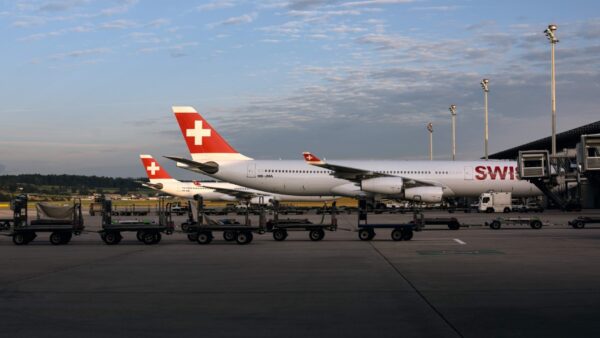
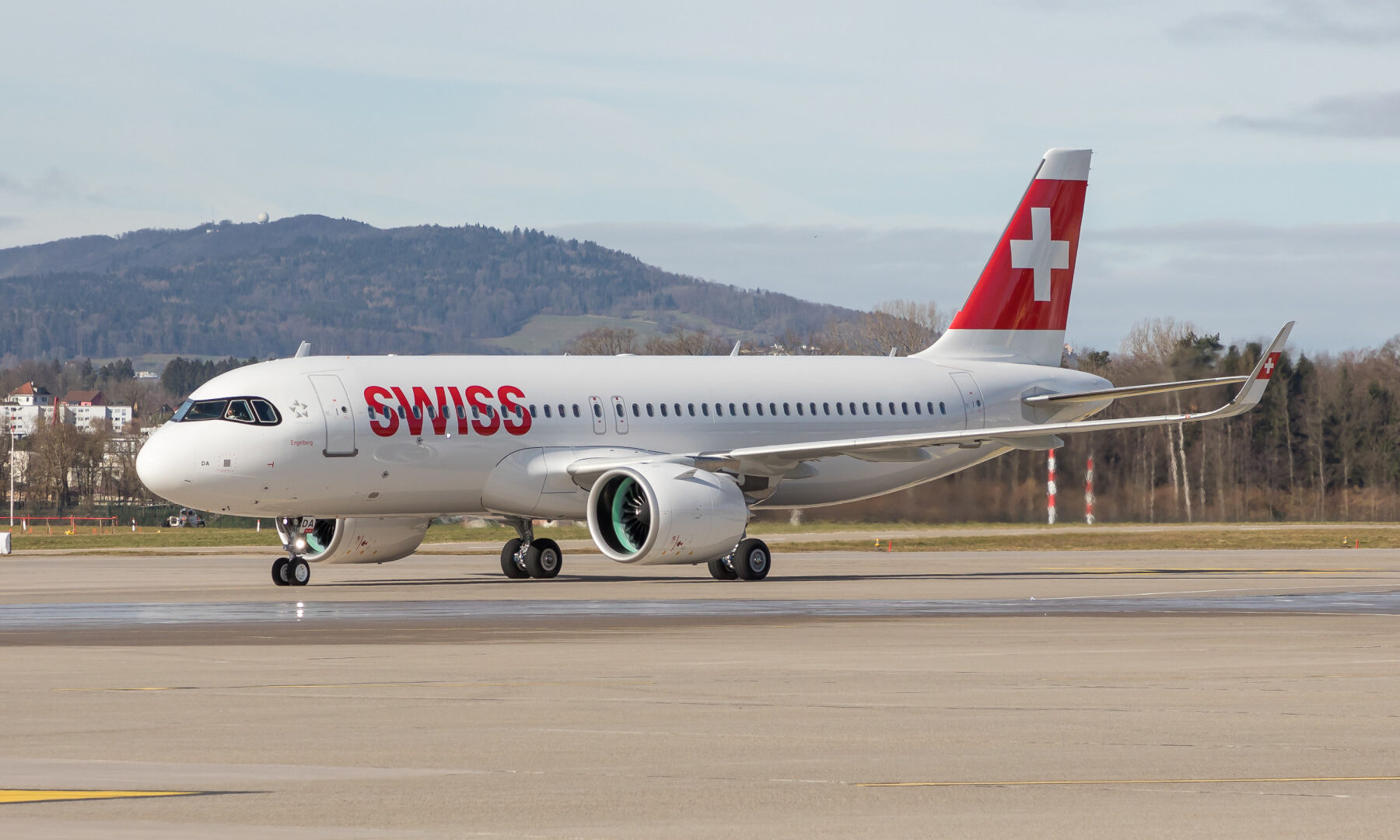
Swiss International Air Lines (SWISS) cancelled all five scheduled return flights between Zurich and Brussels today, Monday 23 November 2026, after a nationwide anti-austerity strike in Belgium brought commercial air traffic to a near standstill. Belgian airspace was effectively closed from 7 am to 9 pm local time, affecting more than 400 flights and over 50,000 passengers at Brussels Airport alone.
The cancellations followed an announcement by Belgian air traffic control agency Skeyes that it could not guarantee regular services because air traffic controllers were joining the walkout. Only essential services for emergencies and safety-critical flights remained operational.
Zurich-Brussels Flights: Belgian Airports Grounded
Brussels Airport said roughly 85% of Monday’s schedule-more than 400 flights-was cancelled, with affected departures neither postponed nor rescheduled. Airport spokesperson Quentin Mertens said more than 50,000 passengers were impacted, and airlines contacted travellers directly to advise them of the disruption.
The shutdown extended across the country, including Brussels-Charleroi Airport, a major hub for low-cost carriers such as Ryanair, which warned of a complete halt to operations for the day. Lufthansa Group, SWISS’s parent company, confirmed that most flights to and from Brussels Airport during the 14-hour window had to be cancelled.
READ MORE: Swiss Pension Fund, Global Banks Hit By Cyberattacks
Austerity Protests and Political Crisis
Monday’s walkout-the eleventh national strike against the current government’s budget policies-was called by Belgium’s joint trade union front to protest Prime Minister Bart De Wever’s austerity and reform plans. Unions accuse the five-party coalition of placing an excessive burden on workers, pensioners and vulnerable groups as it seeks €10 billion in savings to curb the country’s deficit.
Police estimated that around 50,000 demonstrators marched through central Brussels, while public transport, trains, schools and other public services also faced widespread disruption.
The strike unfolded amid a deepening political deadlock in Belgium. De Wever tendered his resignation to King Philippe on 2 November after months of stalled budget talks with coalition partner Vooruit, but the monarch refused to accept it and granted him additional time. On Monday, De Wever set a 31 December deadline to reach a budget agreement, warning that failure would bring down his government.