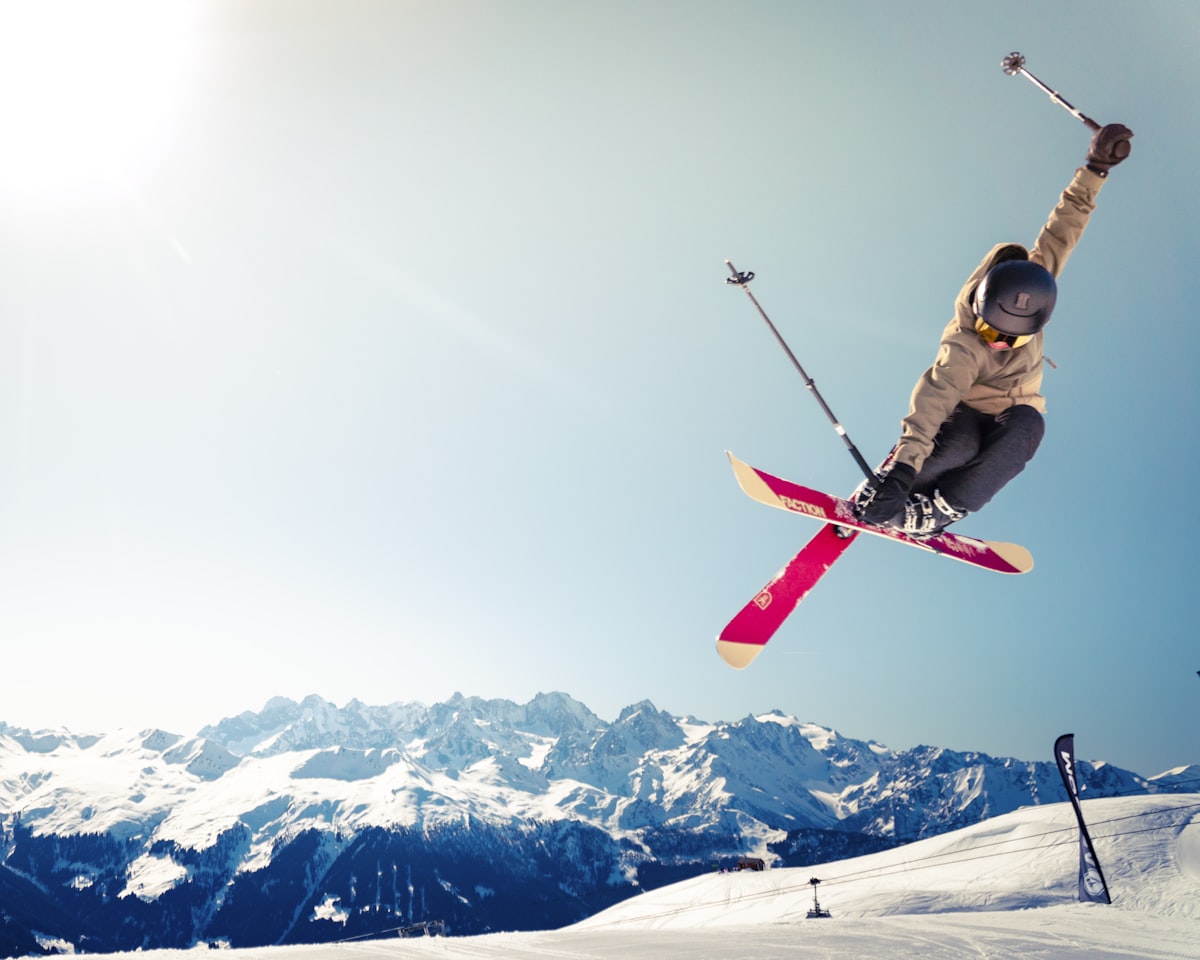
Ski holidays in Switzerland are likely to become more expensive this winter, with 46% of Alpine hotels planning to raise room rates for the 2026/27 season.
The increase comes as operators face higher staff, goods and energy costs, while demand in the mountains remains strong, according to a survey by the hotel industry association HotellerieSuisse.
The survey, conducted in October among HotellerieSuisse members, found that 53% of Alpine hotels expect to keep rates unchanged, while only 1% plan to reduce them. Across all hotel categories-mountain, city, and rural-32% expect to raise prices, 55% to hold them steady, and 13% to lower them.
Why Prices Are Rising
Hotels raising rates most often cite the need to pass on staff costs, combined with stronger demand and greater willingness among guests to pay. More than half of all surveyed businesses (53%) reported higher costs than a year earlier, with the figure rising to 63% in Alpine regions.
The cost pressure reflects persistent challenges with labour, goods and energy prices, according to HotellerieSuisse. In the mountains, where operating costs are often higher due to logistics and staffing, the squeeze is particularly acute.
READ MORE: 10 Zurich Christmas Markets For Mulled Wine, Winter Magic
A Split Between Mountains And Cities
The price increases are not uniform across the country.
Nearly half of Alpine hotels plan to raise rates, while only 23% of city hotels intend to do so, and 25% plan to cut them. City hotels have struggled more, hit by cancellations and weak bookings from distant markets in the Middle East and Asia, according to HotellerieSuisse director Christian Hürlimann.
The contrast is stark: 64% of Alpine hotels reported rising turnover over the summer, compared with just 34% in cities.
The 2026 summer season, which ran from May to October, was strong for mountain regions but weak for cities. Half of all Swiss hotels (51%) saw turnover rise, while 26% reported no change and 23% saw a decline.
The heatwave that hurt city demand actually boosted mountain destinations, as travellers sought cooler temperatures at higher altitudes. In July, Swiss hotel overnight stays rose 0.6% year-on-year, driven mainly by domestic guests, while foreign overnight stays fell 2.3%.
Winter Outlook Remains Cautious
Despite the price increases, most hotels expect revenue to stay flat rather than grow this winter. 58% of businesses anticipate turnover in line with last year, 23% expect an increase and 19% expect a decline.
The Alpine sector remains heavily dependent on weather and snow cover, a vulnerability made worse by the growing trend of last-minute bookings based on current conditions. Switzerland Tourism forecasts a modest 0.9% increase in overnight stays for the 2026/27 winter season, reaching 18.9 million.
Ski Holidays Set To Get More Expensive: Lift Pass Prices Also Under Pressure
Hotel rates are not the only cost rising. Lift pass prices across the Alps have also climbed in recent years, with Switzerland remaining the most expensive ski country in the region.
In the Jungfrau region (Grindelwald-Wengen), a day pass costs 83 CHF, while Saas-Fee charges 84 CHF. Verbier and Davos both charge 94 CHF for a day pass, and Zermatt remains the most expensive at 120 CHF. St. Moritz has stopped publishing standard day prices, instead quoting a 115 CHF “maximum price” at the ticket counter.
For skiers planning a trip this winter, the combination of higher hotel rates and already steep lift pass prices means the overall cost of a Swiss ski holiday is likely to rise further. Booking early may offer some protection against last-minute price swings, though the industry itself notes that many guests now wait until closer to departure.
The regional split also matters: travellers heading to mountain resorts should expect firmer pricing, while those considering city stays may find more room to negotiate, given the weaker demand there.