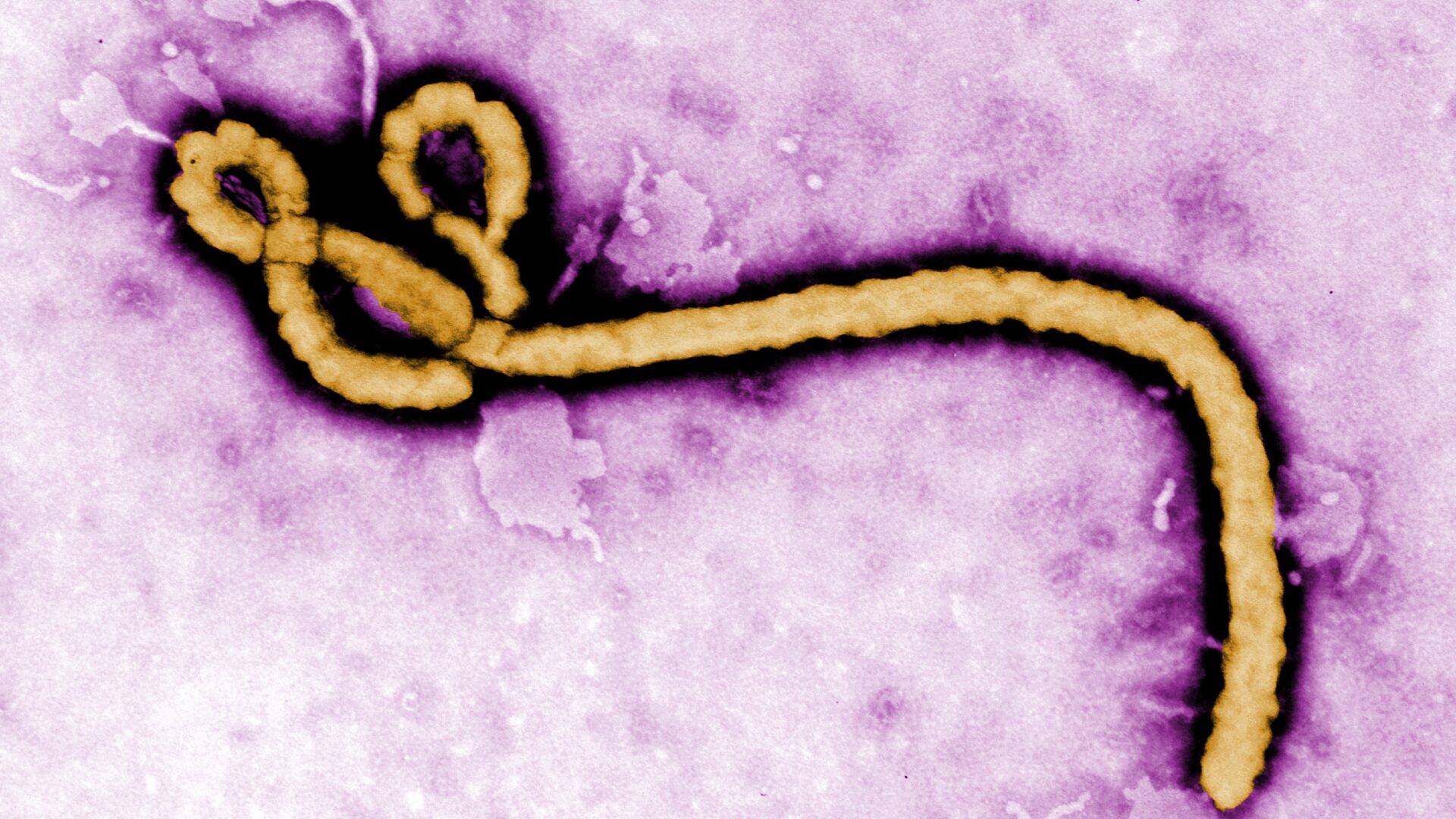
A new Ebola outbreak in the Democratic Republic of Congo and Uganda is being driven by the rare Bundibugyo strain, and the World Health Organization (WHO) declared it a public health emergency of international concern on 17 May 2026.
WHO Director-General Dr Tedros Adhanom Ghebreyesus declared the outbreak a public health emergency of international concern (PHEIC), the WHO’s second-highest level of alert, before convening the emergency committee in Geneva. This is the first time in WHO’s history that this has occurred.
“I’m deeply concerned about the scale and speed of the epidemic,” WHO Director-General Dr Tedros Adhanom Ghebreyesus said.
The outbreak was confirmed on 15 May 2026 after laboratory testing identified the virus in patient samples, but experts say the timeline suggests the virus may have been spreading for weeks before it was formally recognised.
Timeline of the outbreak
-
April 24–27: The first suspected case is linked to a healthcare worker in eastern Congo, according to public-health reporting cited by PBS.
-
April 28: A close contact of the first suspected case dies with similar symptoms.
-
April 30: Early samples test negative for the more common Ebola Zaire strain, delaying identification of the virus.
-
May 5: WHO is notified of a high-mortality unexplained outbreak in Mongbwalu, with health workers among the dead.
-
May 11: A Congolese man with fever and body aches is hospitalised in Kampala, Uganda; officials later confirm he crossed the border from Congo.
-
May 14–15: Lab results in Kinshasa confirm Bundibugyo virus in Congo samples; Uganda also confirms the same strain in the deceased patient’s posthumous sample.
-
May 15: Congo declares an Ebola outbreak; Africa CDC reports hundreds of suspected cases and dozens of deaths.
-
May 17: WHO declares a PHEIC, its highest international alert level, while saying the outbreak does not meet the criteria for a pandemic emergency.
-
May 18 onward: Reports say the outbreak has continued to grow, with more suspected cases and deaths under investigation.
The key concern is that Bundibugyo Ebola is less common than the Zaire strain and, unlike some other Ebola variants, currently has no approved vaccine or targeted treatment. Public-health experts say that makes rapid tracing, isolation and surveillance crucial, especially in border regions and travel hubs.
India-Africa Summit Postponed Due To Ebola Outbreak On May 23
India and the African Union have postponed their summit in New Delhi after the Ebola outbreak in the Democratic Republic of Congo and Uganda worsened, with health officials warning the virus is still gaining momentum. The meeting, originally due next week, has been deferred to allow full participation by African leaders while the public-health emergency unfolds.
The latest flare-up is centred on eastern Congo, where the rare Bundibugyo strain has spread into areas controlled by the M23 rebel group, complicating containment efforts. The WHO has already declared the outbreak an international health emergency, and officials say the virus may have been circulating undetected for weeks before it was identified.
Read More: Hantavirus Reaches Switzerland: One Confirmed Infected in Deadly Outbreak – Helvetica Times